A Challenging Flagstone Patio Build That Came Together
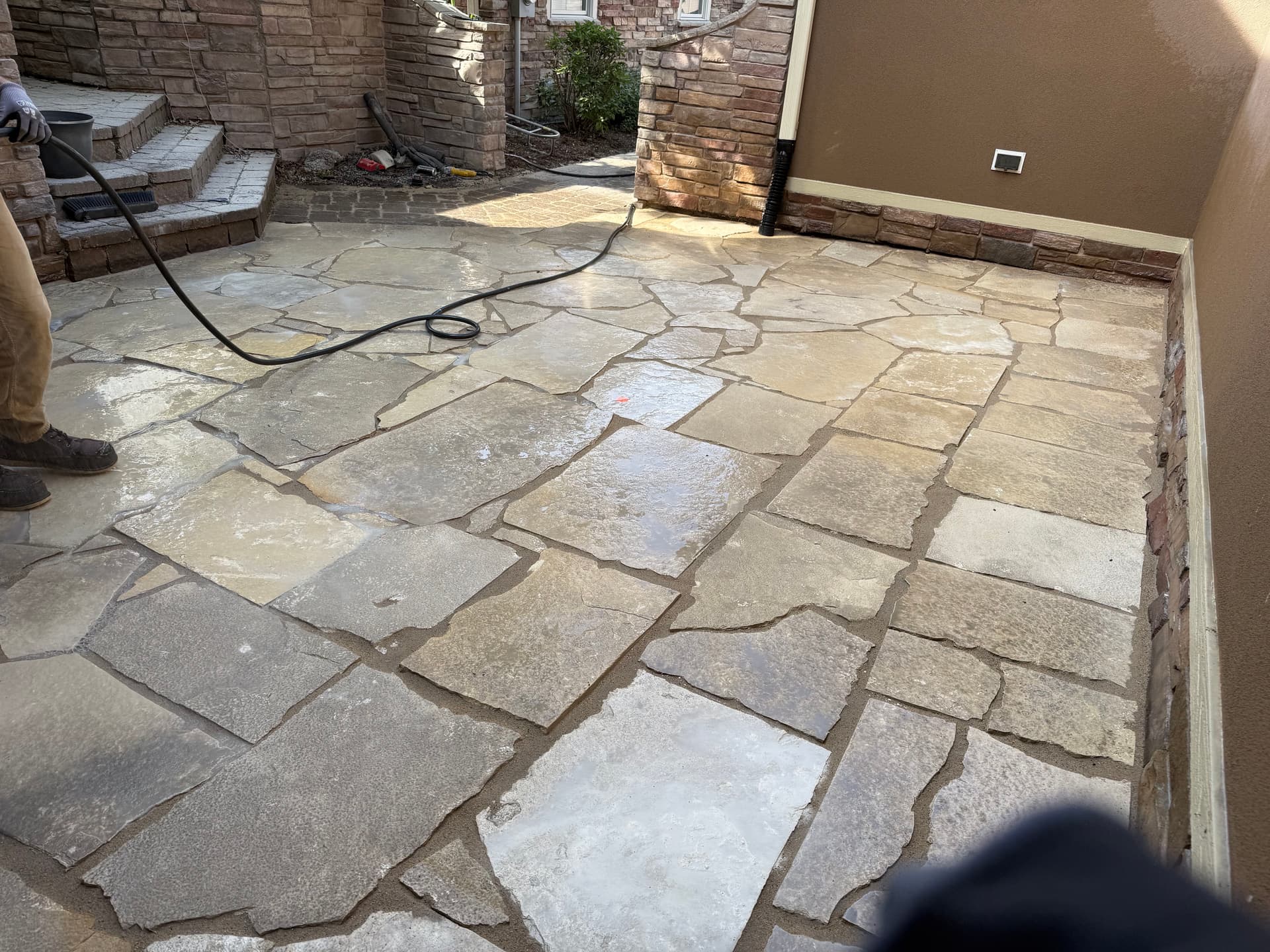
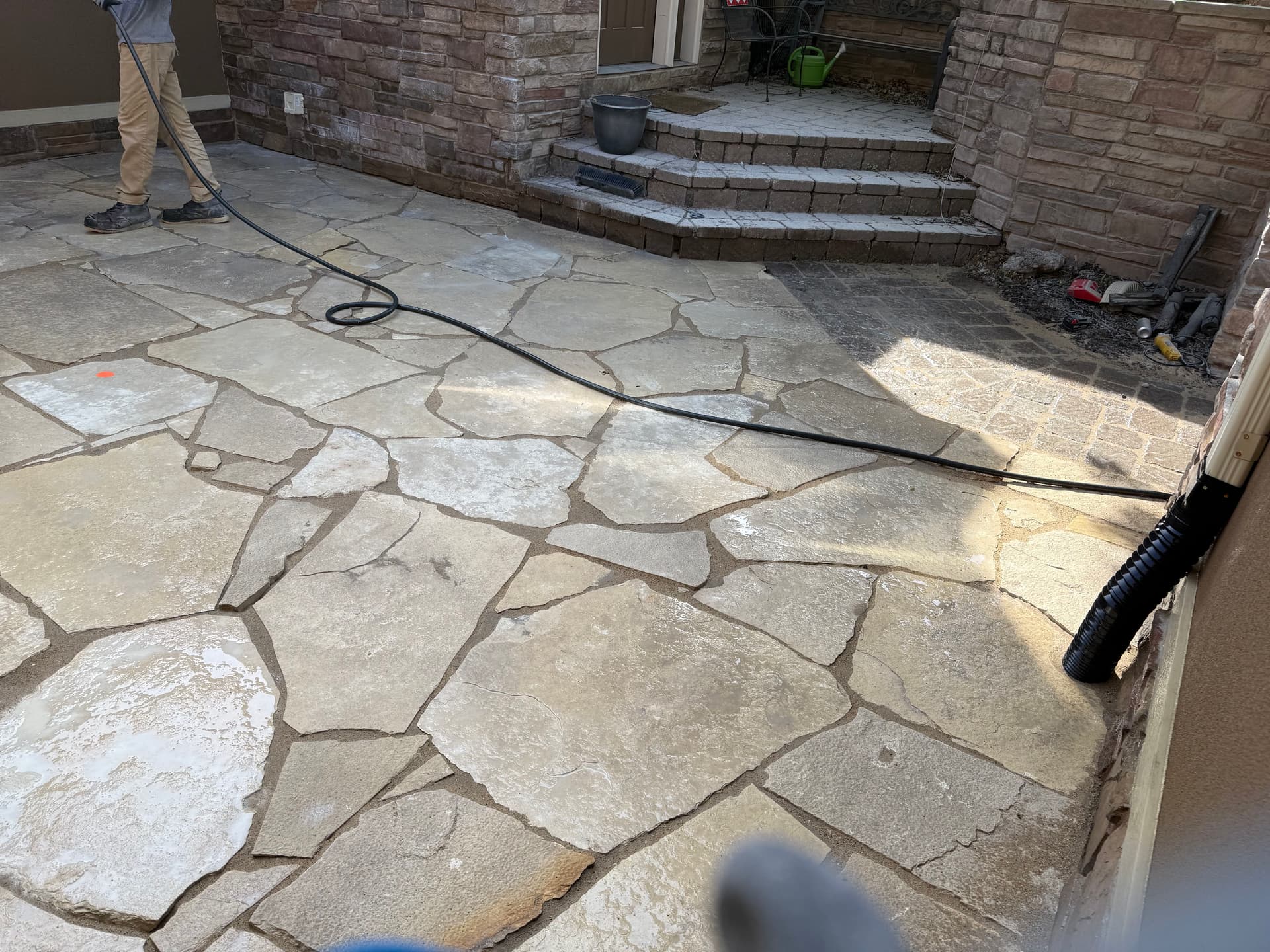
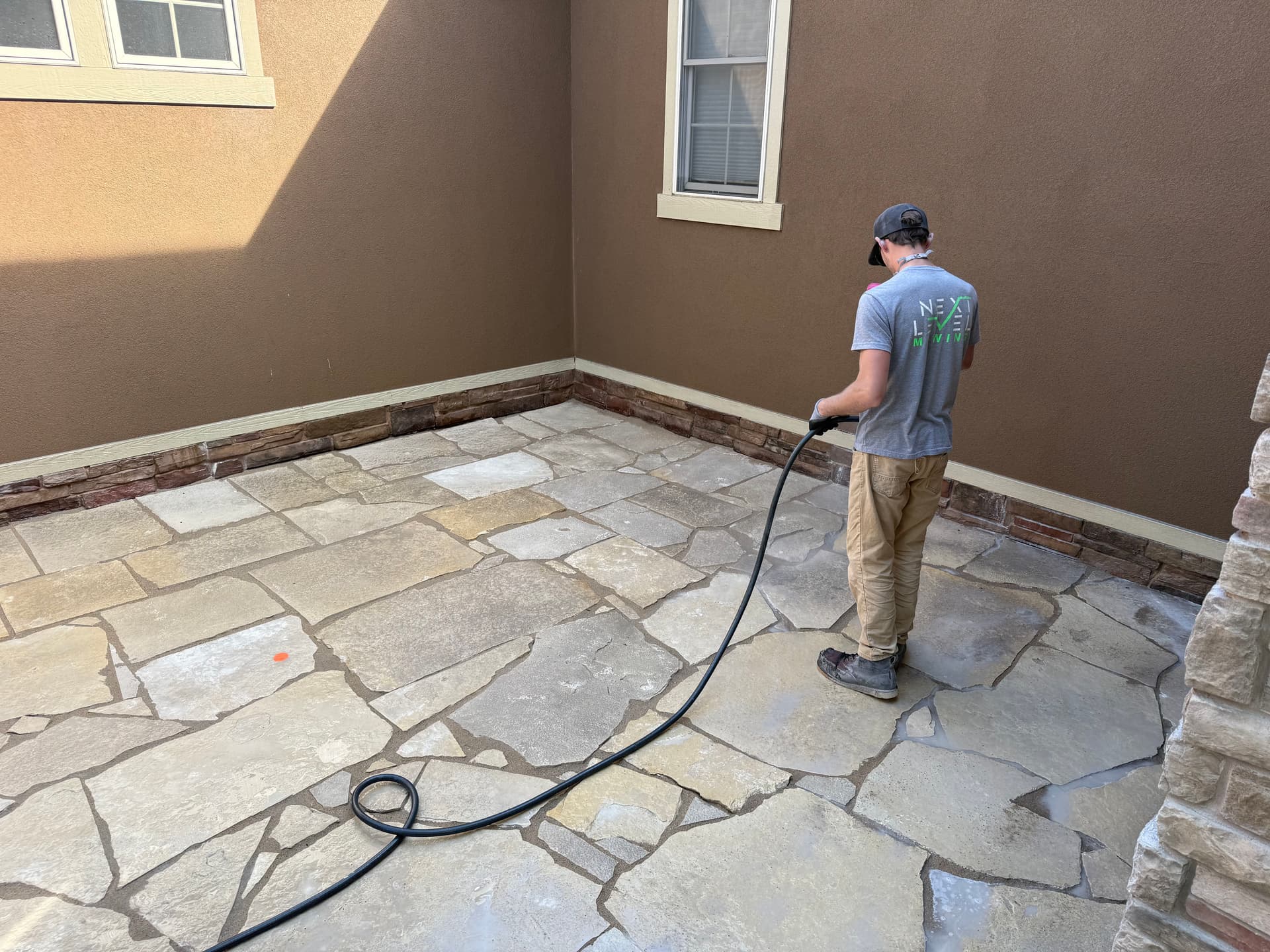
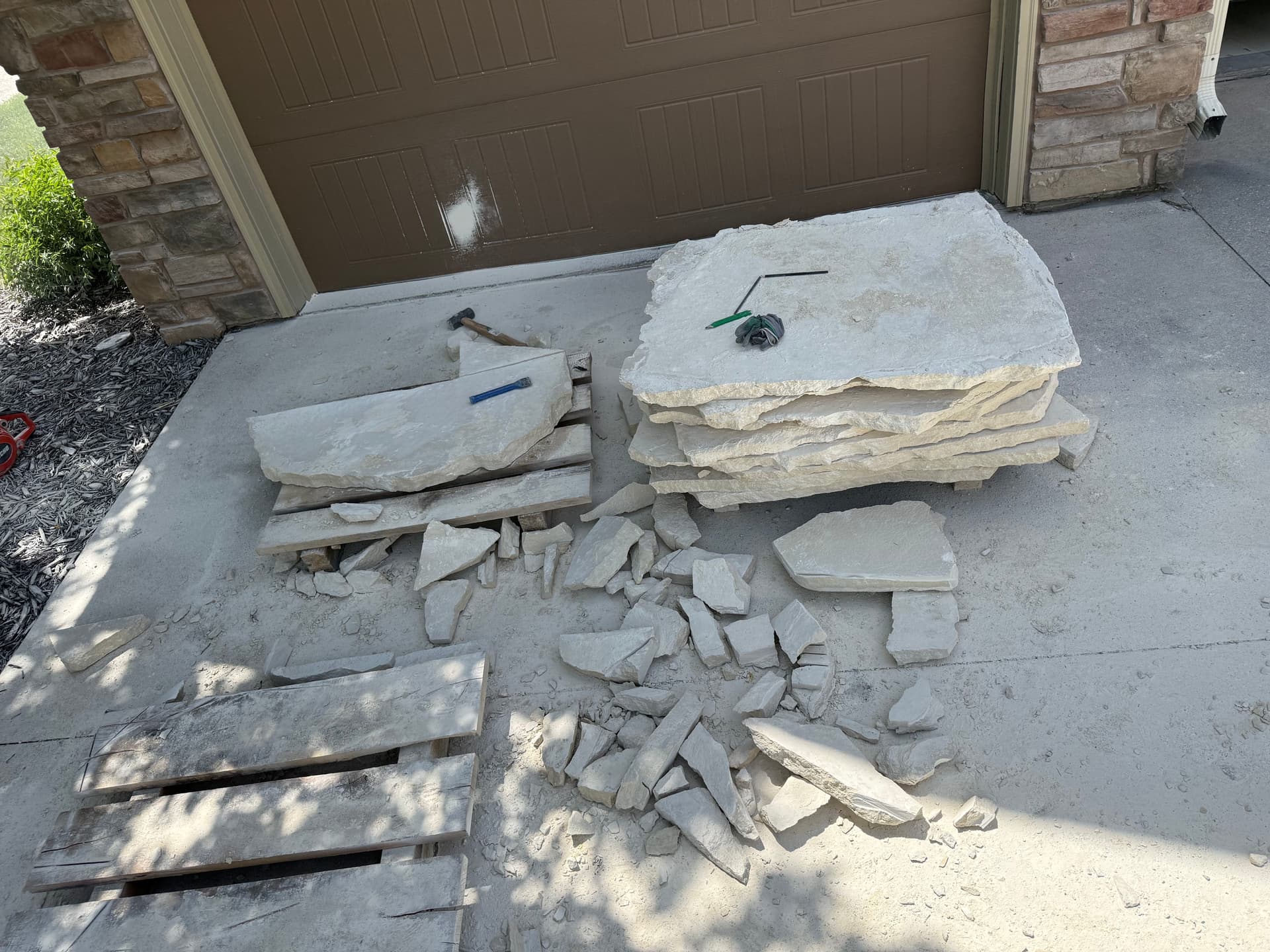
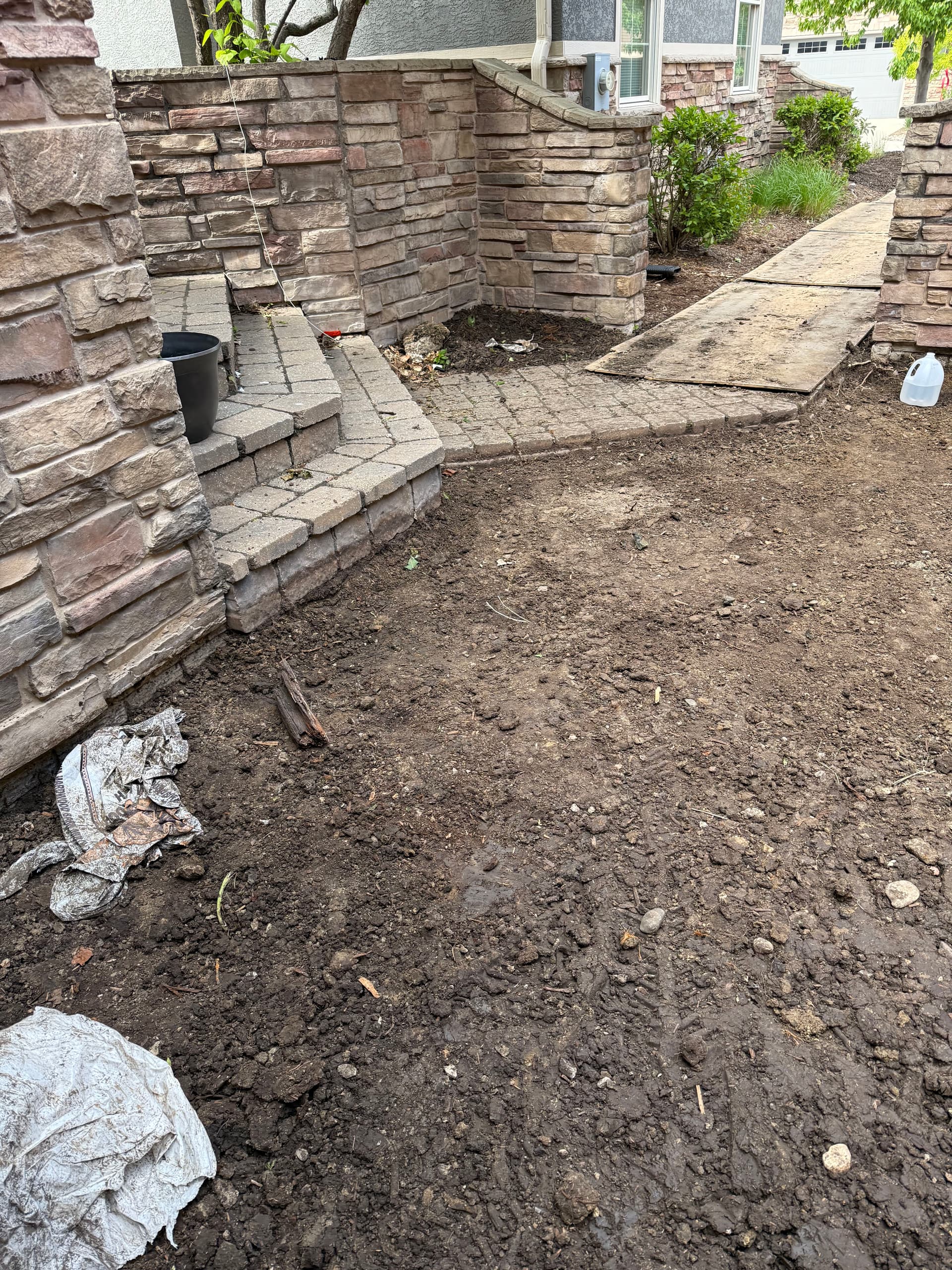
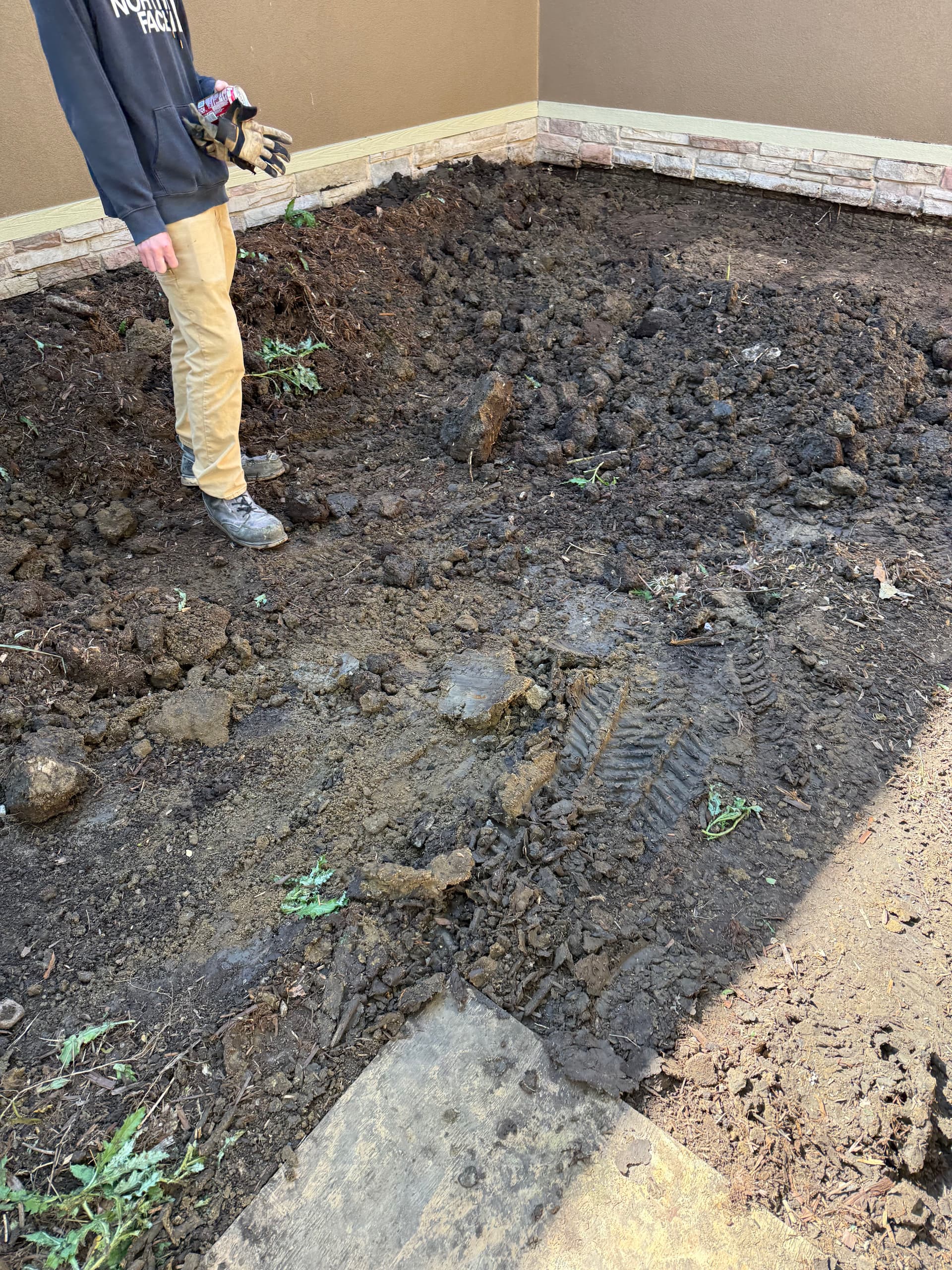
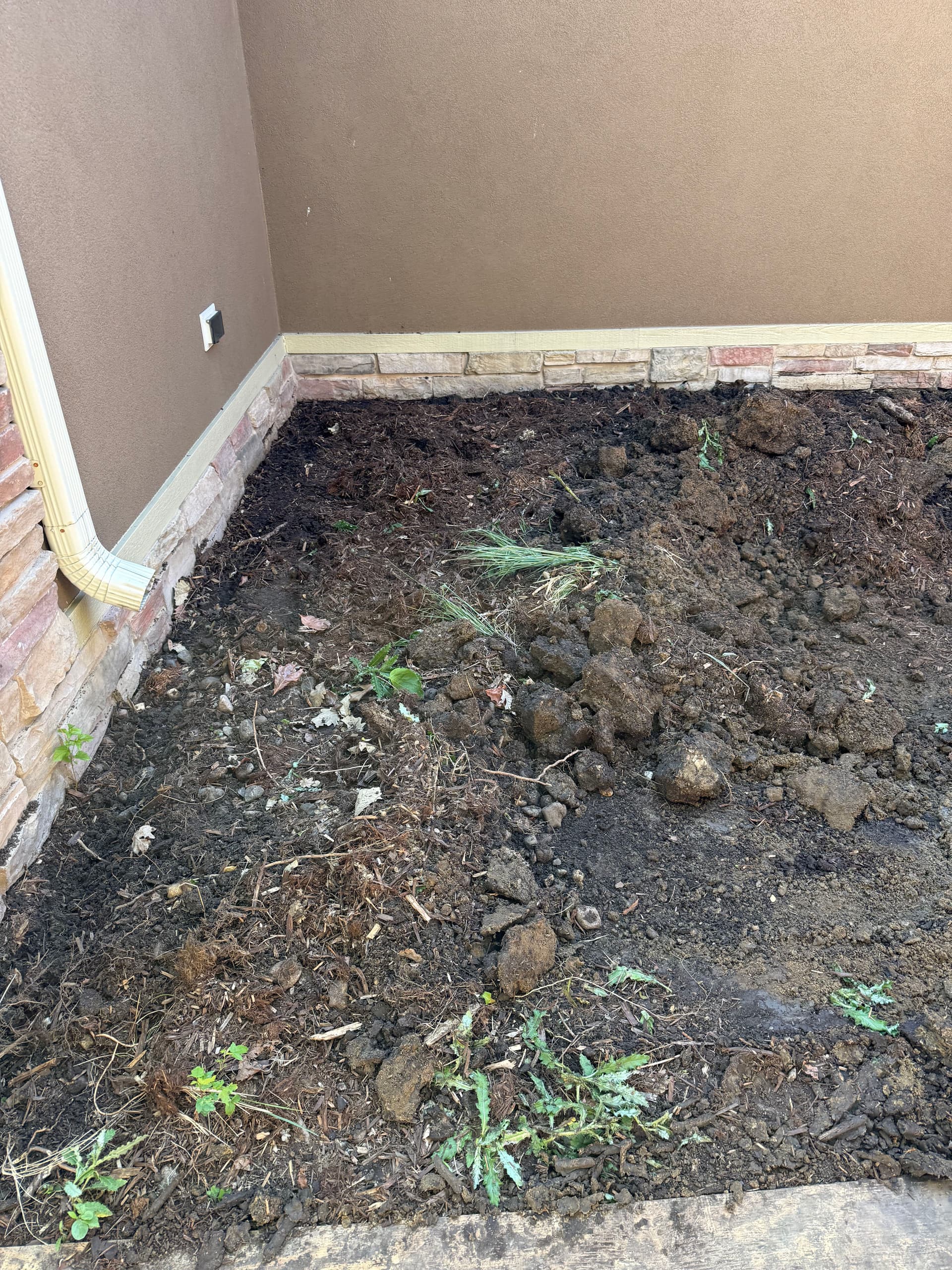
Some jobs look simple on paper until you're actually standing in the middle of them. This one started with a bare, excavated courtyard area - raw dirt, nothing else - tucked up against the house. The goal was a full natural flagstone patio. Sounds straightforward. It wasn't.
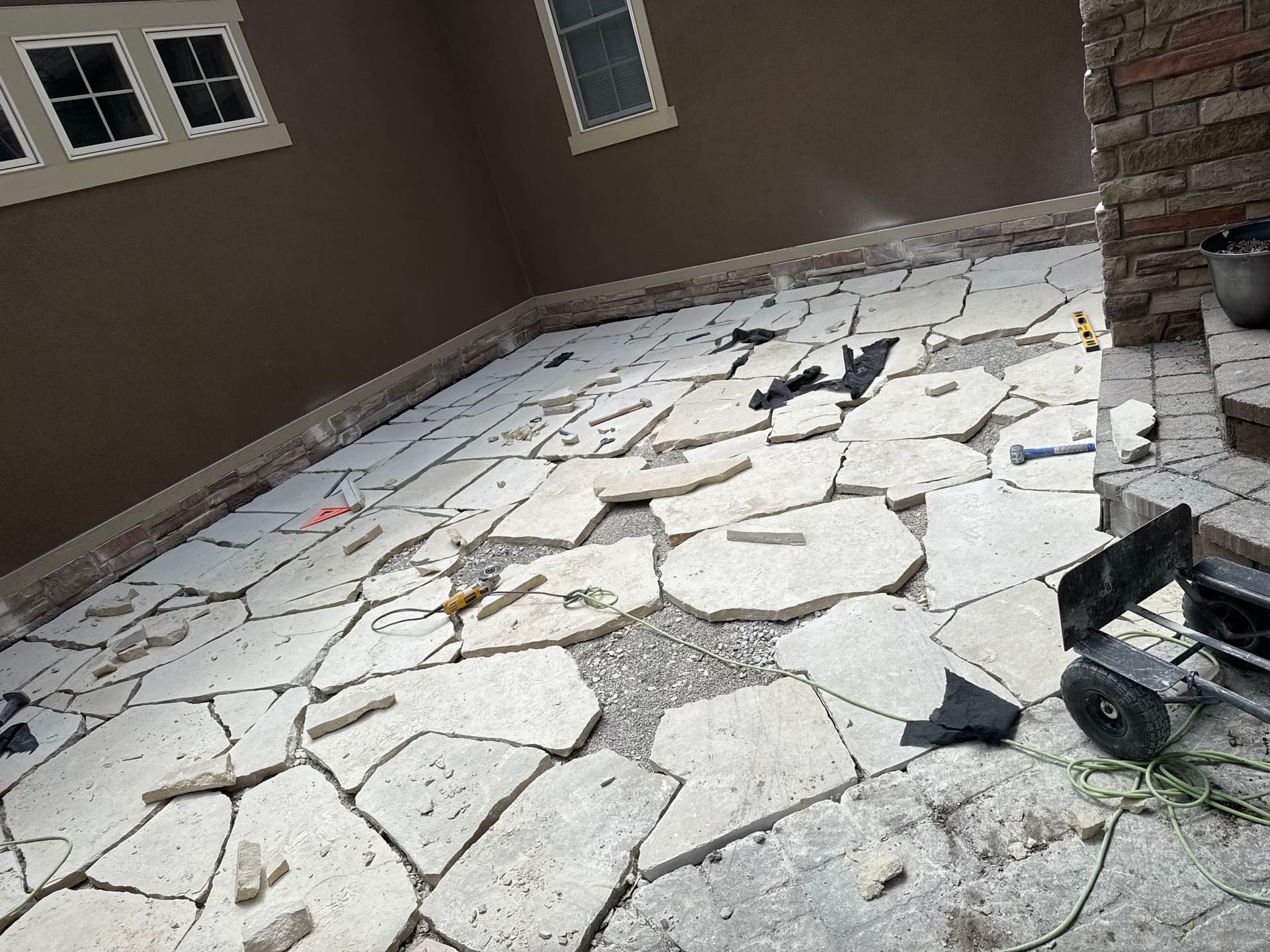
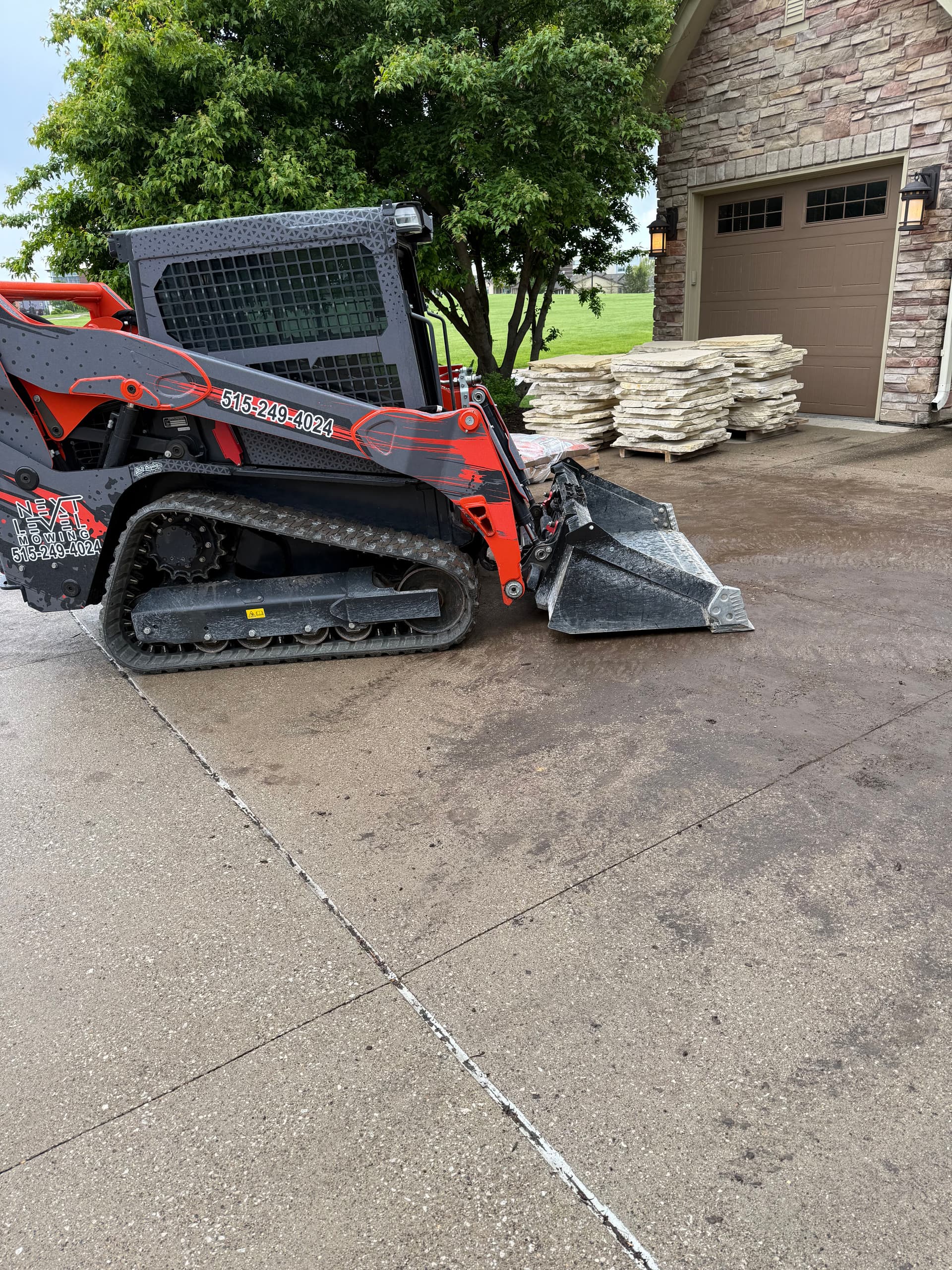
The stone material came in mostly square cuts, which created a real puzzle. Getting a natural flagstone look means irregular shapes, organic joints, and pieces that flow together like they belong there. So we had to break down and reshape a lot of that stone by hand. You can see the staging area out front where we were cutting and splitting pieces to size - hammers, scoring tools, and a lot of trial and error before anything got set.
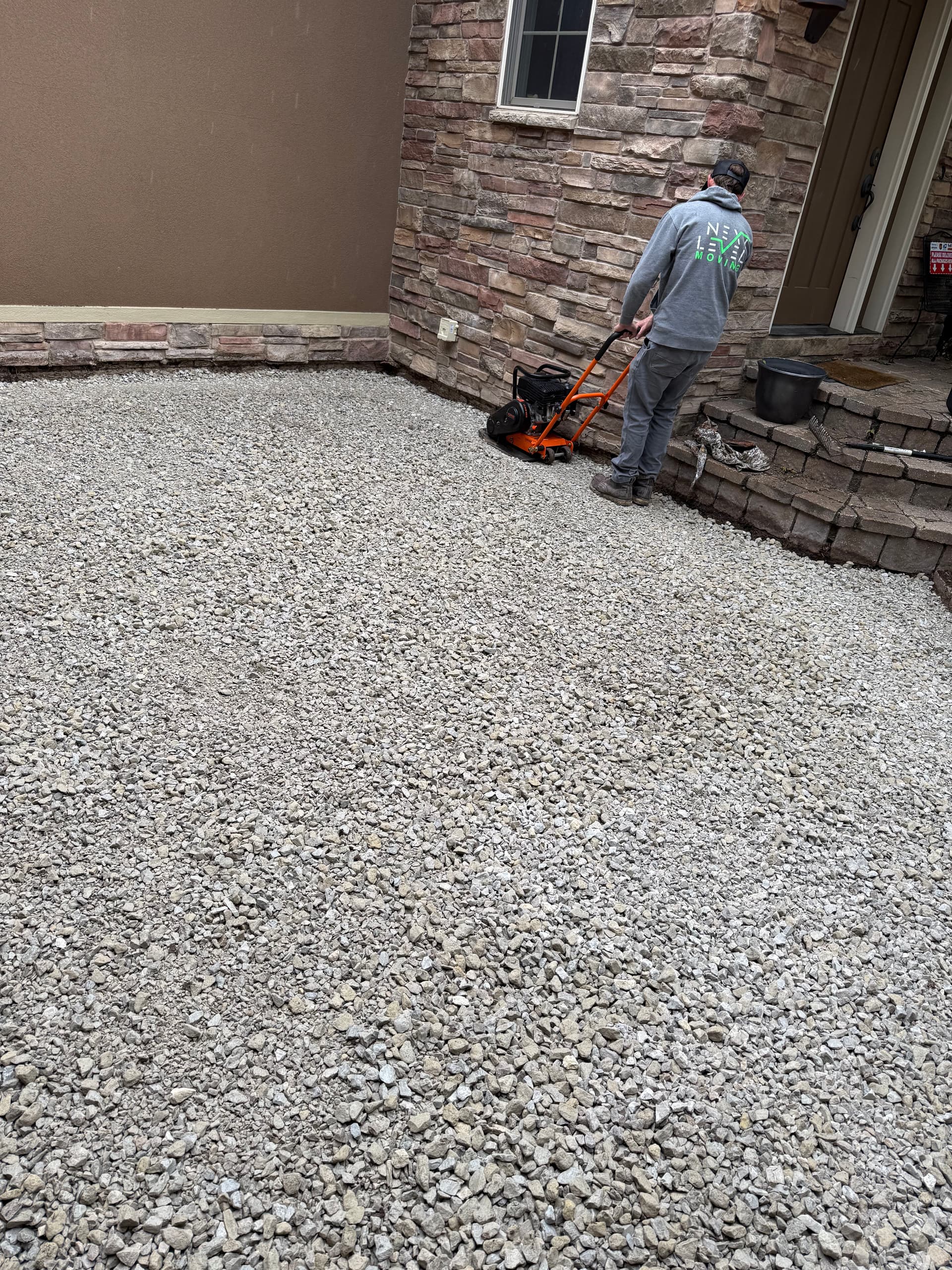
Once the base was properly compacted and prepped - we ran a plate compactor across the entire gravel base to lock everything in before a single stone went down - we started laying the field. That's where the real patience kicked in. Every piece had to be fitted, checked, trimmed if needed, and seated correctly. Too much gap and it looks sloppy. Too tight and you lose the natural feel you're going for. We were threading that needle the whole way through.
The finished patio ties directly into the existing brick steps and stone veneer on the house. Getting the edges to meet those transitions cleanly took extra work, but that's the part most people notice first. The stone-to-stone joints are consistent, the surface sits level, and the whole thing reads as one cohesive outdoor space rather than a patchwork of cuts.
Projects like this are why we don't shy away from the complicated ones. When the material doesn't cooperate, you figure it out. That's what good landscaping work actually looks like behind the scenes - a lot of problem-solving before you ever get to the part that looks easy.